 By Muhammad Bilal
The Pentagon’s announcement of a firing squad execution set to be livestreamed has brought renewed attention to capital punishment and military transparency. The decision raises questions about execution procedures and the public disclosure of sensitive government actions. It also highlights ongoing debates over the legal and ethical implications of firing squad executions. Explore the key details behind the announcement and why it has drawn widespread attention.
Table of Contents
Livestreamed Firing Squad Execution
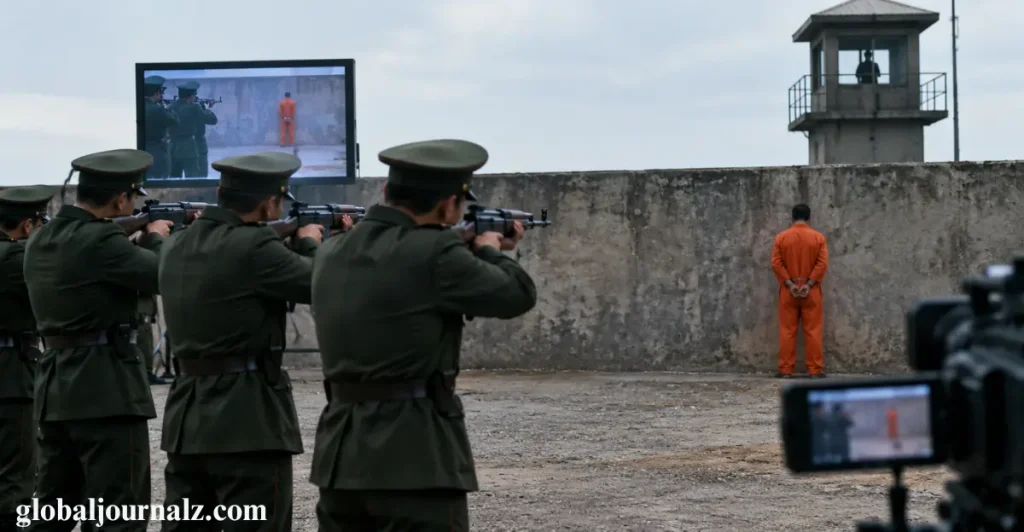
Plans to livestream the execution of former US Army major Nidal Hasan have sparked debate over how capital punishment should be carried out and presented to the public. Defence Secretary Pete Hegseth said Hasan would face a firing squad on December 3. A Pentagon official also confirmed to the BBC that the execution would be livestreamed.
Human rights advocates have raised serious concerns about the proposed broadcast. The UN human rights office warned that livestreaming an execution could amount to a public execution and breach the absolute prohibition of torture. Questions have also emerged over how the footage would be controlled and whether younger viewers could access it.
Nidal Hasan and the Fort Hood Attack

In 2009, Nidal Hasan killed 13 unarmed US soldiers at Fort Hood, Texas, in one of the deadliest attacks on a US military installation. Hasan was serving as an Army psychiatrist when he opened fire inside a crowded medical building. He later admitted to carrying out the killings during his court martial.
During the 2013 trial, Hasan said he believed he was protecting Muslims and the Taliban in Afghanistan. The attack had lasting consequences for survivors and the families of those killed. Alonzo Lunsford, a former Army sergeant who was shot seven times, supports the planned execution but has questioned whether everyone should be able to watch it live.
Trump Administration and Pentagon Decision

President Donald Trump approved the defence secretary’s recommendation to execute Hasan, according to the Pentagon. Hegseth said the execution would take place at Fort Hood, with soldiers forming the firing squad. When asked about Hasan’s final requests and possible contact with Trump, Hegseth said the execution was expected to happen on December 3.
The announcement comes after Trump overturned the federal execution moratorium introduced under former President Joe Biden. However, uncertainty remains over whether the livestream will proceed as planned. The BBC has asked the White House about Trump’s position on broadcasting the execution and whether authorities will introduce measures to prevent younger audiences from watching.
Legal Challenges and Human Rights Concerns

Although officials have announced a date, Hasan’s execution could be delayed because his appeals process is not complete. Military executions require presidential approval and legal review before the sentence can be carried out. Lawyer John Mills said Hasan was likely to seek federal court review, creating the possibility of further proceedings.
Legal experts have questioned whether livestreaming an execution would be appropriate and lawful. Deborah Denno, a law professor at Fordham University, said executions in the United States have permitted witnesses and journalists, but no previous execution has been livestreamed. She noted that broadcasting could raise questions about transparency while also creating concerns about age restrictions and public exposure to graphic material.
Public Executions and Death Penalty History
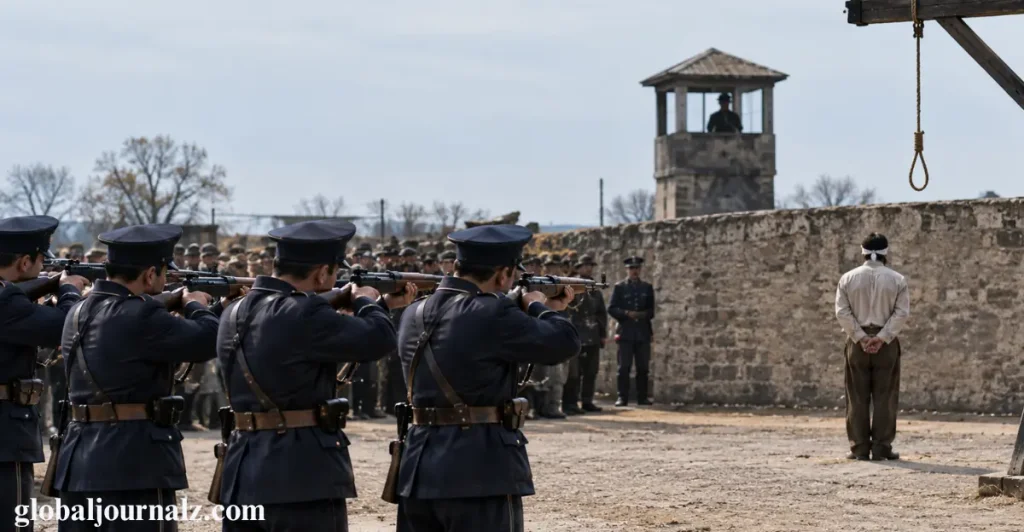
Worldwide, public executions remain uncommon despite the continued use of capital punishment in several countries. Amnesty International reported more than 2,700 executions across 17 countries last year, with only two countries carrying out executions publicly. Iran and Afghanistan were among the countries where public executions were reported in 2025.
US military history also places the proposed execution in a rare category. The last military execution in the country took place in 1961, while the most recent military firing squad execution occurred in January 1945. Army deserter Eddie Slovik was shot during the Second World War, making the planned case a significant development in the history of military capital punishment.
Conclusion
The planned livestream of Nidal Hasan’s firing squad execution has sparked debate over capital punishment, human rights and military transparency. The case has renewed attention to the 2009 Fort Hood attack and its lasting impact on victims and their families. While some survivors support the execution, concerns remain about broadcasting it to the public. Human rights advocates have questioned the ethical and legal implications of livestreaming such an event. Meanwhile, Hasan’s ongoing appeals could delay the scheduled execution. The case may set a significant precedent for how military executions are handled and presented to the public. Ultimately, the controversy highlights the difficult balance between justice, accountability and human dignity.
1. What led to Nidal Hasan’s death sentence?
Nidal Hasan was sentenced to death for killing 13 US soldiers during the 2009 Fort Hood shooting in Texas. He was serving as an Army psychiatrist when he opened fire inside a crowded medical building. The attack became one of the deadliest incidents at a US military installation.
2. Why is the execution livestream controversial?
The proposed livestream has raised concerns among human rights advocates about the ethics and legality of broadcasting an execution. The UN human rights office warned that such a broadcast could amount to a public execution and raise concerns under the prohibition of torture. Questions have also emerged about age restrictions and access to graphic footage.
3. Can legal appeals postpone Hasan’s execution?
Yes, Hasan’s execution could be delayed because his legal appeals are not complete. His lawyers may seek further review in federal court, potentially leading to additional proceedings. The final timing depends on the legal process and any decisions made by the relevant authorities.
 admin
admin