 By Muhammad Bilal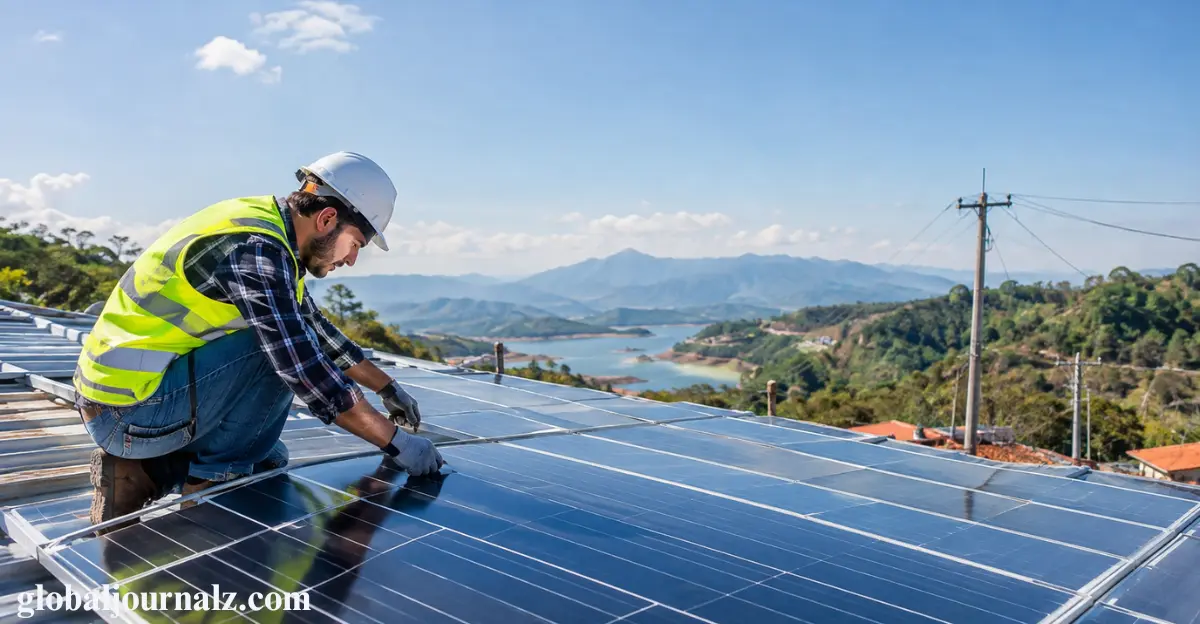
Renewable energy is reshaping how the world produces power by turning natural resources like sunlight, wind and water into cleaner sources of electricity. As concerns over climate change, energy security and rising demand grow, renewable technologies are becoming an important part of a more resilient energy system. Solar power, wind farms, hydropower and other clean energy solutions can reduce reliance on fossil fuels while supporting long-term economic growth. Discover how renewable energy is helping build a safer, cleaner and more prosperous future.
Table of Contents
Renewable Energy Sources Are All Around Us
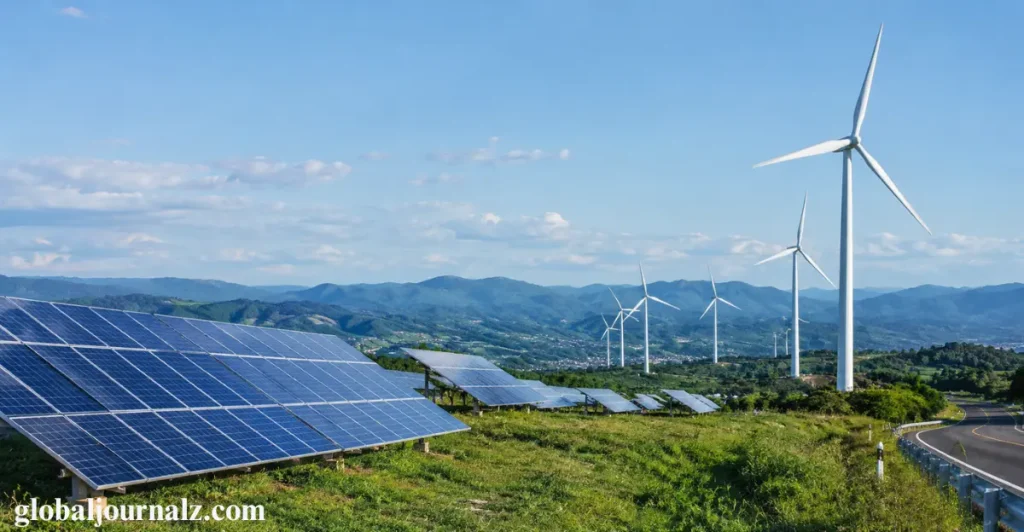
Clean energy is widely available and helps countries reduce their reliance on imported fossil fuels. Around 80 per cent of people depend on fossil fuel imports and remain vulnerable to geopolitical shocks and crises. Solar, wind and water offer cleaner local alternatives. IRENA estimates that 90 percent of the world’s electricity could come from renewables by 2050.
Renewable sources can reduce import dependency and help countries diversify their economies. They can also reduce the impact of unpredictable price swings of fossil fuels and strengthen energy security. Growing clean energy projects can create new jobs and support inclusive economic growth. They can also contribute to poverty alleviation.
Solar, wind and hydropower can be developed according to local resources and energy needs. Better investment can help countries use these resources more effectively. This can reduce dependence on imported fuels and support cleaner electricity. It can also help build a more reliable and sustainable energy system.
Renewable energy is cheaper
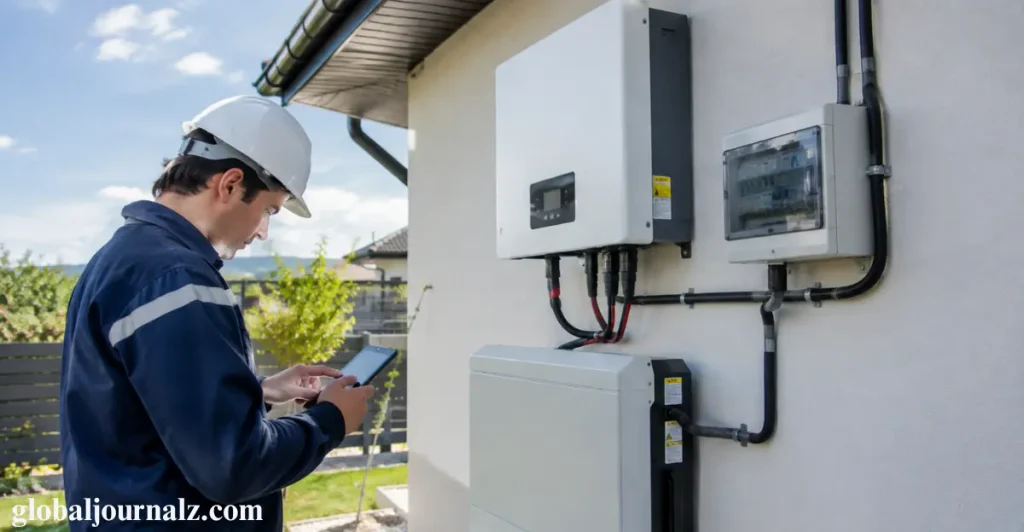
Renewable energy is now a cheaper way to produce electricity in many parts of the world. The cost of solar and offshore wind has fallen, making renewable energy technologies more affordable. Many new projects are now cheaper than fossil fuels. This makes clean power a practical choice for growing electricity needs.
The lower cost of renewable power can also support Artificial Intelligence (AI) and data centres. These technologies need large amounts of electricity to operate. Renewable sources can help meet this demand while reducing carbon emissions. They can also help decarbonize the power sector and mitigate climate change.
As renewable energy becomes cheaper, more countries are considering it for future power needs. Cheap electricity from renewable sources can provide cleaner and more affordable power. Solar and wind can help meet rising demand while reducing dependence on traditional fuels. This is making renewable energy an important part of the global energy system.
Renewable energy is healthier
Air pollution is a serious health problem around the world. Burning fossil fuels releases harmful pollutants into the air. Fine particles and nitrogen dioxide can affect human health. The WHO links air pollution to millions of premature deaths each year, making cleaner energy an important solution.
Using clean sources of energy like wind and solar can help reduce air pollution. These sources produce fewer harmful emissions during energy production. They can also help address climate change and improve air quality. Cleaner air can lower health risks and support healthier communities over time.
The shift to renewable energy can benefit both people and the environment. Less fossil fuel use means fewer harmful pollutants are released into the air. It can also reduce the health costs linked to air pollution worldwide. Clean energy supports a healthier and more sustainable future for communities everywhere.
Renewable energy creates jobs
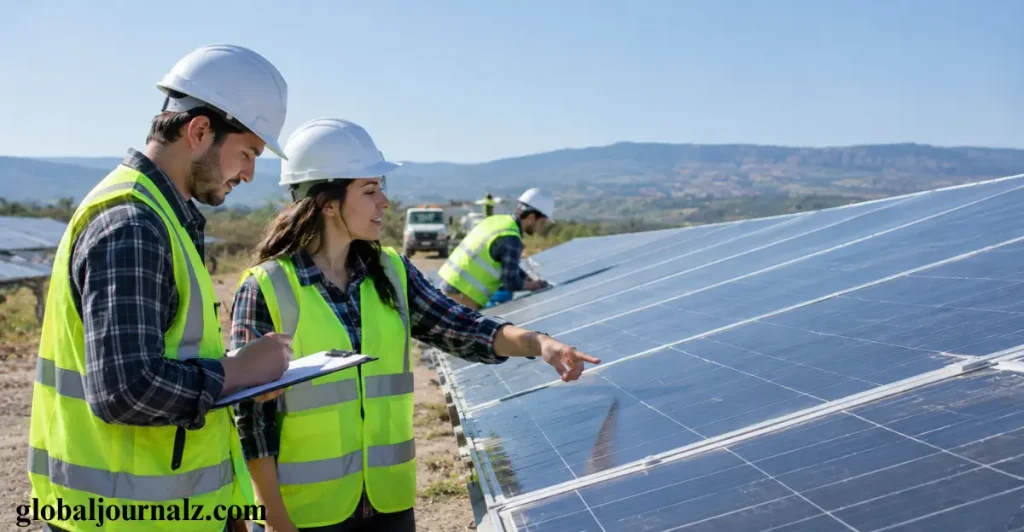
Renewable energy is creating millions of jobs around the world. The sector employed 16.2 million people in 2023 across different fields. Solar, wind and other clean technologies are increasing job opportunities. This growth is also creating new roles in manufacturing and maintenance.
Clean energy investment can create more jobs than fossil fuel investment. The shift toward net-zero emissions is expected to support millions more jobs. Electric vehicles, efficient appliances, and hydrogen technologies are adding new roles. These changes are expanding employment across many parts of the energy sector.
A just transition can help workers move into new clean energy careers. Training and reskilling can prepare workers for changing industry needs. More than 30 million jobs could be created in clean energy and related fields by 2030. This growth can support workers while helping economies move toward cleaner energy.
Renewable energy makes economic sense
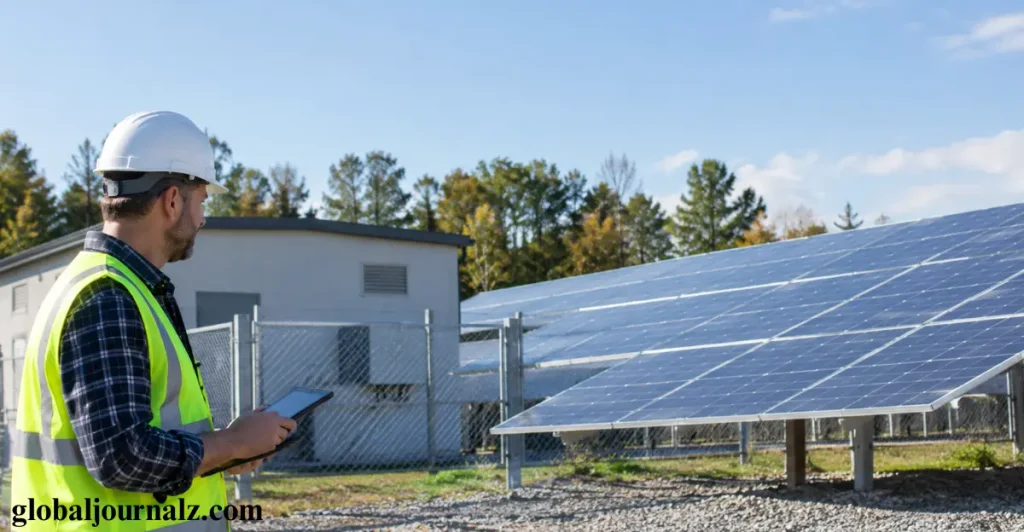
Clean energy is becoming an important part of economic growth as investment in renewable energy continues to rise. In 2024, global investment in clean energy reached around $2 trillion. This shows how quickly the sector is growing while energy-related carbon dioxide emissions are rising more slowly than the global economy.
The fossil fuel industry still receives large subsidies, but renewable energy can offer better long-term benefits. Efficient and reliable renewable technologies can lower pollution costs and improve energy security. They can also make energy systems less affected by sudden changes in fuel prices.
Investment in renewable energy can support new industries and strengthen energy infrastructure. It can also create jobs and reduce dependence on expensive fuel imports. These benefits make renewable energy a practical choice for countries looking for stable and sustainable economic growth.
Conclusion
Renewable energy is becoming an important part of the global energy system because it offers cleaner and more reliable ways to produce electricity. Solar, wind and hydropower can reduce dependence on fossil fuels while helping countries improve energy security. Lower costs are making renewable power more accessible and practical for different energy needs. Clean energy can also reduce air pollution and support better environmental conditions. At the same time, the growing sector is creating jobs and encouraging investment in new industries. With continued development and investment, renewable energy can help meet rising electricity demand and support economic growth. Overall, it provides a practical way to build a cleaner, safer and more sustainable energy future.
1. What does renewable energy mean?
Renewable energy uses natural sources such as sunlight, wind, and water to produce electricity. These resources create fewer harmful emissions and can reduce dependence on fossil fuels. They also provide a sustainable way to meet growing energy needs.
2. Why is clean energy becoming important?
Growing concerns about pollution and energy security are increasing the need for clean energy. Renewable resources can reduce reliance on imported fuels and improve energy supply. They can also support cleaner and more reliable power systems.
3. How affordable is renewable power?
Falling costs have made renewable power more affordable in many parts of the world. Solar and wind projects can compete with traditional fossil fuel sources in some markets. This makes clean electricity a practical option for rising energy demand.
4. What employment opportunities does it provide?
Millions of jobs are supported by renewable energy across solar, wind and other clean technologies. Manufacturing, installation and maintenance are creating opportunities as the sector grows. Continued investment can further expand employment in related industries.
5. How can renewables support economic growth?
Investment in renewable energy can create jobs and support the growth of new industries. Reduced dependence on imported fuels can strengthen energy security and economic stability. These benefits can help countries achieve cleaner and sustainable economic growth.
 admin
admin