 By Muhammad Bilal
A single defiant walk helped expose the deep divisions shaping Britain and became a powerful moment in the country’s political history. The event brought ordinary people into the spotlight as protest, public opinion and social change collided on the streets. Its legacy reached far beyond the march itself and helped shape how Britain understood resistance and collective action. Retrace the route, the people and the turning points behind this remarkable chapter of British history and discover why its impact still matters today.
Table of Contents
The Kinder mass trespass
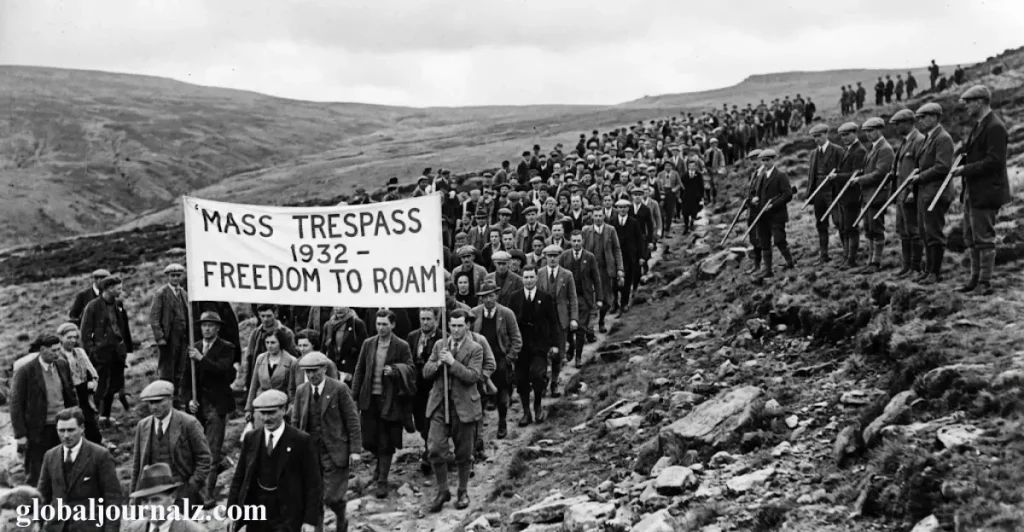
In 1932, hundreds of young ramblers made their way onto Kinder Scout in the Peak District despite the land being privately owned. Led by Benny Rothman, they were protesting against restrictions that stopped ordinary people from freely enjoying the countryside. For workers from Manchester, Sheffield and nearby mill towns, access to open landscapes meant a chance to escape the smoke and crowded streets.
The Kinder mass trespass did not appear out of nowhere. The campaign for freedom to roam had been growing for decades, with earlier efforts including the failed 1884 access bill and the Winter Hill mass trespass of 1896. On 24 April, around 400 men and women joined the Kinder protest and stood together against landowners, gamekeepers and the wider system of restricted access.
The confrontation became particularly significant when the ramblers were met by gamekeepers and bailiffs as they climbed towards the plateau. Despite the tension, many reached the top of Kinder Scout, turning the walk into one of the best-known countryside protests in British history. The event helped keep public access at the centre of political debate and is now remembered as an important step towards England’s national park system.
The ongoing right to roam campaign
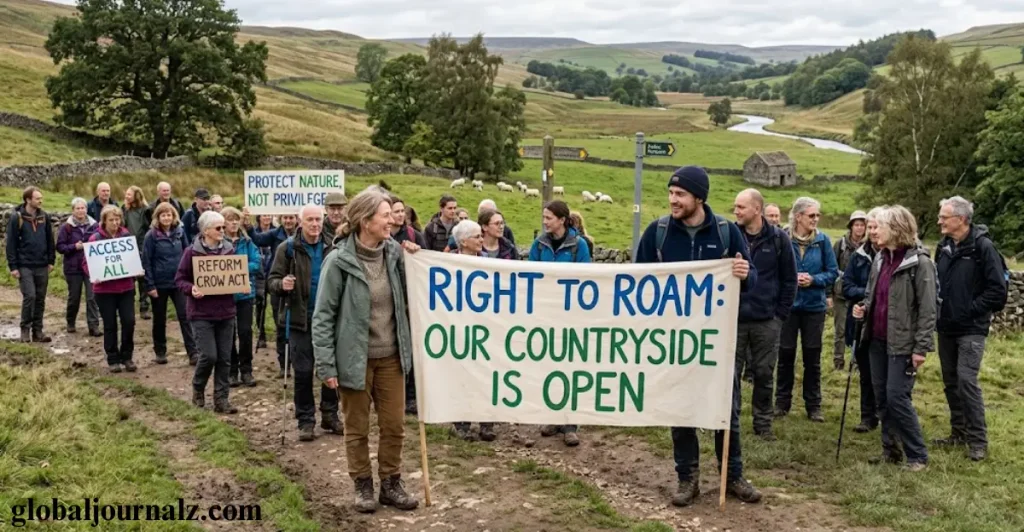
The opening of the Peak District National Park in 1951 was a major step towards public access but the wider campaign for the right to roam continued. Around 8% of England’s land is designated as open country while much of the accessible land is remote or unevenly distributed. This means many people still have limited opportunities to explore the countryside freely.
Modern campaigners including Right to Roam argue that England should offer broader access similar to Scotland where people can walk across most land responsibly. Their movement also raises questions about activities such as wild swimming and paddle boarding which are not always covered by existing access rights.
The continuing campaign shows that the ideas behind the Kinder mass trespass remain relevant today. The original protest was not only about reaching one particular landscape but about challenging the limited access ordinary people had to nature. Today’s movement carries that same argument into a new generation by questioning how much of England’s countryside should truly be open to everyone.
The people behind the protest
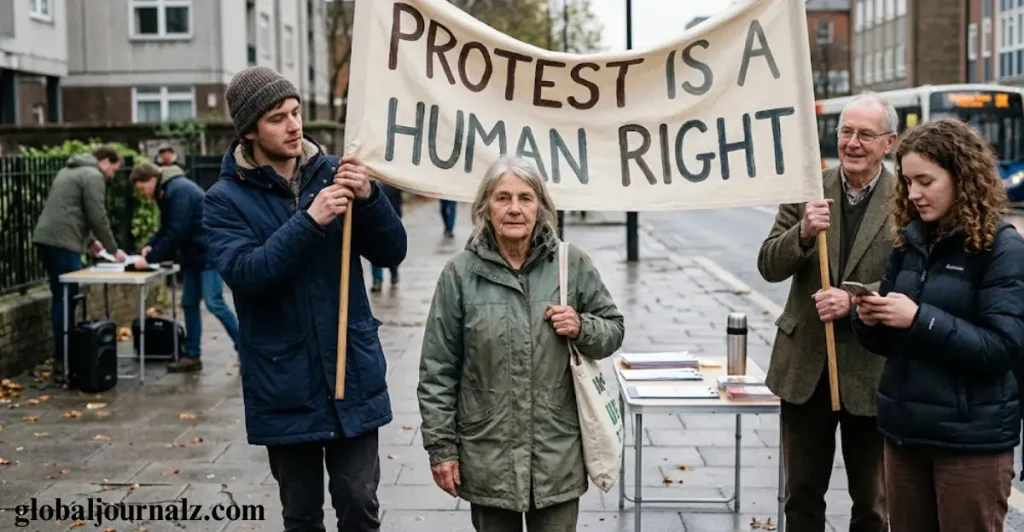
The Kinder mass trespass was driven by young working people who wanted a fairer chance to enjoy the countryside. At the centre was Benny Rothman, a 20-year-old Manchester activist who helped organise the 1932 action with around 400 men and women from Manchester, Sheffield and nearby mill towns. Their shared frustration with restricted access turned a local grievance into a highly visible protest.
Rothman and the other ramblers were challenging a system in which privately owned land was often closed to ordinary walkers while wealthy landowners used areas such as Kinder Scout for grouse shooting. Their decision to cross the plateau was deliberate and collective, showing how organised action could challenge long-standing countryside access laws. The arrests that followed only drew greater public attention to their cause.
What makes these protesters important is not simply the confrontation itself but the wider change they helped set in motion. Five walkers including Rothman were arrested and given prison sentences, yet the punishment triggered public criticism and strengthened the debate over who should have access to nature. Their actions helped shift attitudes towards public access and became closely connected with the later creation of England’s national park system.
How the Kinder trespass changed Britain
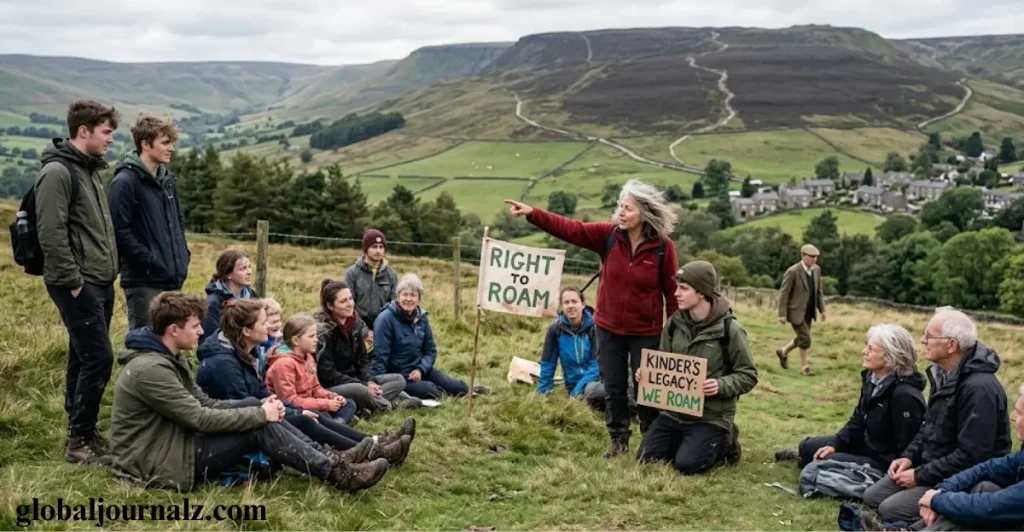
The Kinder trespass became a defining moment in Britain’s struggle over countryside access. In 1932, hundreds of young walkers crossed Kinder Scout to challenge restrictions that kept privately owned land away from ordinary people. Their action brought the question of who could enjoy the countryside into the national spotlight.
The protest also helped change attitudes towards right to roam and public access to nature. The arrests and prison sentences faced by five walkers caused public outcry and strengthened support for greater access. Years later, the campaign helped shape the thinking behind national parks, with the Peak District becoming England’s first national park in 1951.
Its influence can still be seen in modern debates about access to the countryside. Campaigners continue to argue that people should have greater freedom to walk across natural landscapes while respecting the land and protecting wildlife. The legacy of the trespass remains closely linked to freedom, equality and the belief that nature should not be reserved only for those who own it.
Conclusion
The Kinder mass trespass remains one of the most powerful examples of how ordinary people can challenge unfair rules and inspire lasting change. What began with hundreds of young ramblers crossing Kinder Scout became a wider fight for countryside access and the right to roam. The arrests and public reaction helped change attitudes towards who should be able to enjoy Britain’s natural landscapes. Its influence can be seen in the creation of the Peak District National Park and the wider growth of national parks across England. Yet the debate did not end in 1951 as modern campaigners continue to question how much land people can freely access. The story of the trespass is therefore not only about the past but also about freedom, equality and connection with nature.
1. What was the Kinder mass trespass?
The Kinder mass trespass was a 1932 protest against restrictions on access to privately owned countryside. Around 400 young ramblers walked onto Kinder Scout to demand greater freedom to enjoy nature. The action became a major moment in Britain’s fight for public access.
2. Who led the Kinder mass trespass?
The protest was led by Benny Rothman, a 20-year-old activist from Manchester. He joined hundreds of walkers from Manchester, Sheffield and nearby mill towns. His leadership helped turn the protest into a powerful national campaign.
3. Why was the Kinder trespass important?
The trespass challenged the idea that ordinary people should be kept away from large areas of the countryside. The arrests and prison sentences created public sympathy and increased pressure for change. Its legacy helped influence the development of national parks and wider access rights.
4. What is the right to roam campaign?
The right to roam campaign calls for greater public access to England’s countryside. Campaigners argue that people should have more freedom to walk across natural landscapes while respecting land and wildlife. The movement continues to build on the ideas raised by the Kinder protest.
5. Did the Kinder trespass change Britain?
Yes, the protest helped shift public attitudes towards countryside access, equality and the use of natural spaces. The opening of the Peak District National Park in 1951 marked an important step in that wider change. Its influence can still be seen in today’s debates over who should have access to Britain’s countryside.
 admin
admin