 By admin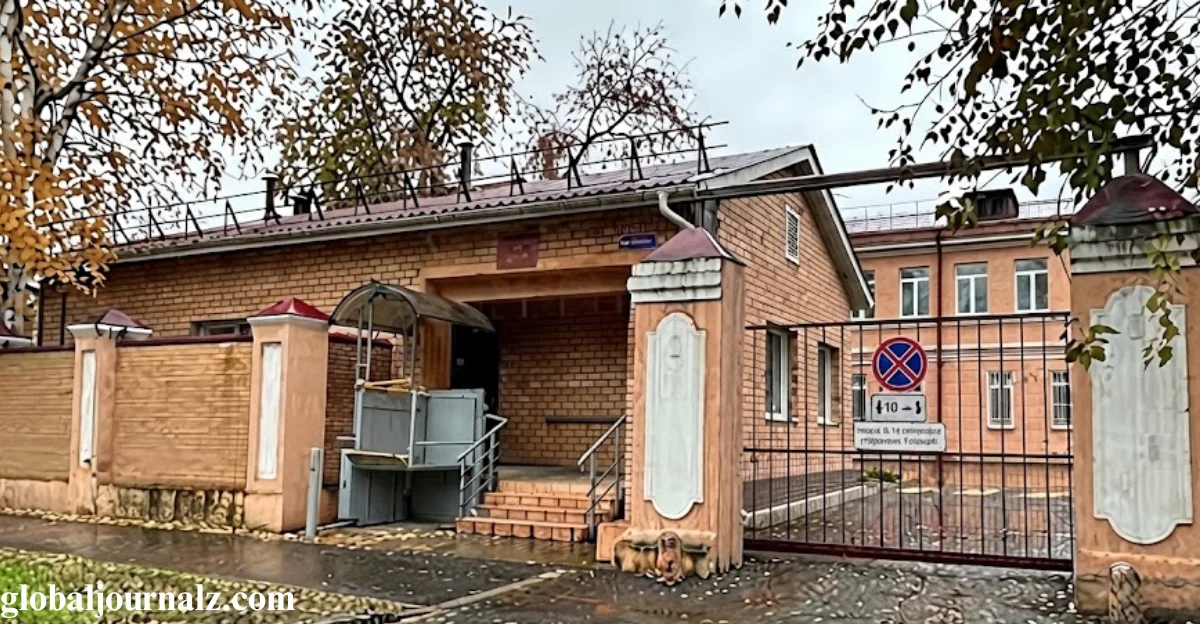
U.S. Secretary of State Marco Rubio is urging Russia to provide more information about the death of a laboratory worker linked to research involving plague. The case has raised questions about laboratory safety, transparency, and the circumstances surrounding the worker’s death. Officials are seeking clearer details as concerns grow over what happened and whether any broader risks are involved. The development adds another point of attention to the already sensitive relationship between the United States and Russia.
Table of Contents
Rubio Calls for More Information
US Secretary of State Marco Rubio has called on Russia to release more information about the death of a lab worker at a plague research centre in Siberia. The incident has prompted speculation about the circumstances surrounding the death of the 28-year-old woman, while Russian officials continue investigating the cause of death. Reports have discussed pneumonic plague, although the victim reportedly tested negative, leaving reporters seeking a clearer account of events hour by hour.
Darya Shipilova and Siberia Investigation
Friday brought further attention to the case after almost 200 people were placed under observation in Siberia’s Irkutsk region, following the death of lab worker Darya Shipilova. Russian media reported that she became ill after being healthy a couple of days earlier, while unconfirmed reports raised questions about a test tube containing a pathogen after a field trip involving plague and wild rodents. Russian officials and Rospotrebnadzor have described the illness as pneumonia of an undetermined etiology.
Russia and WHO Health Reporting
The World Health Organization is monitoring the situation after Christian Lindmeier said on Tuesday that Russian authorities had identified and monitored patients’ contacts following the death of a laboratory worker in Irkutsk. Under global health rules, countries are expected to report outbreaks and significant public-health events to the WHO, and the agency said the available information placed the risk at moderate to low for Irkutsk, low for Russia, and very low for the European region.
The assessment comes as officials continue examining the illness and its symptoms, while speculation about a dangerous disease and its possible spread has drawn attention in the United States and elsewhere. CBS News
US Response and Mutual Assistance
Iceland became part of the diplomatic backdrop when Marco Rubio said the US was closely watching developments in Russia and described the situation as serious enough to warrant attention without indicating a confirmed outbreak. Rospotrebnadzor has received an offer of help from Washington regarding infectious disease outbreaks, while US President Donald Trump told reporters that the administration was looking very strongly at the situation. Reporting from the
Washington Post, along with information involving the Centers for Disease Control and Prevention, the state department, and the Administration for Strategic Preparedness and Response, reflects the broader US effort to monitor developments and maintain readiness. The Washington Post
Rospotrebnadzor and Kremlin Response
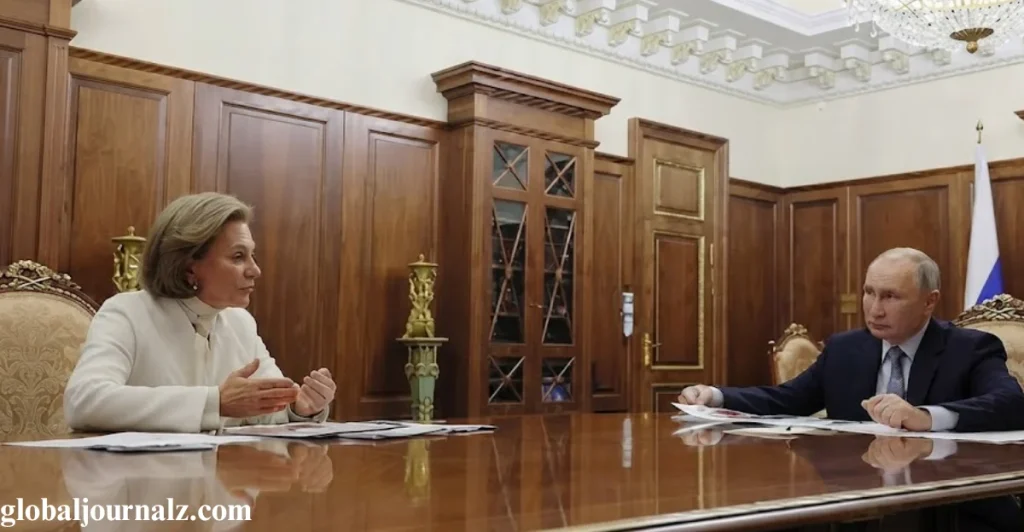
Rospotrebnadzor has said disease was not detected among the contacts of the deceased worker, while Kremlin spokesperson Dmitry Peskov urged the public to rely on the agency’s official findings rather than speculation.
The agency has also addressed the United States offer of help in the context of mutual assistance, while Russian officials have continued communicating about the investigation. On Tuesday, officials maintained that a document circulating online about special anti-plague measures was not genuine describing claims attributed to official sources as untrue. RTE
Yersinia Pestis and Pneumonic Plague
The plague bacterium, Yersinia pestis, is historically associated with the Black Death, which devastated Europe during the 14th Century, while modern plague remains linked to rodents and animals such as marmots. An outbreak in the 1920s and the work of the Anti-Plague Institute of Siberia and the Far East reflect the region’s long history of studying the disease.
Dr Simon Clarke, a specialist in cellular microbiology at the University of Reading, has discussed the risks of pneumonic plague with BBC Radio 4. Unlike some other forms of plague, pneumonic plague can spread from person to person, making early diagnosis and antibiotics important for controlling the infectious disease and protecting human health.
Conclusion
The investigation into the death of Darya Shipilova in Siberia has drawn international attention because of concerns surrounding pneumonic plague, the Yersinia pestis bacterium, and the possibility of infectious disease transmission. While Russian officials and Rospotrebnadzor have continued monitoring contacts and reporting their findings, the WHO and the US have also followed developments closely. At the same time, officials have sought to distinguish confirmed information from speculation, emphasizing the importance of transparent health reporting, timely investigation, and cooperation between countries when a potentially serious infectious disease is involved.
FAQs
What happened to Darya Shipilova?
Darya Shipilova, a lab worker in Siberia’s Irkutsk region, became ill and later died, prompting an investigation into the cause of death and concerns about a possible connection to pneumonic plague.
What is Yersinia pestis?
Yersinia pestis is the plague bacterium responsible for plague. It can be associated with rodents and other animals, while pneumonic plague can spread from person to person.
Has pneumonic plague been confirmed?
The information provided does not establish a confirmed case of pneumonic plague. Rospotrebnadzor reported that the disease was not detected among monitored contacts, while the illness was described as pneumonia of an undetermined etiology.
Why are the WHO and US monitoring the situation?
The World Health Organization and US authorities are monitoring the situation because of the potential public-health implications of a serious infectious disease. Their involvement also reflects the importance of global health rules, information sharing, and mutual assistance during suspected disease outbreaks.
 Muhammad Bilal