 By Muhammad Bilal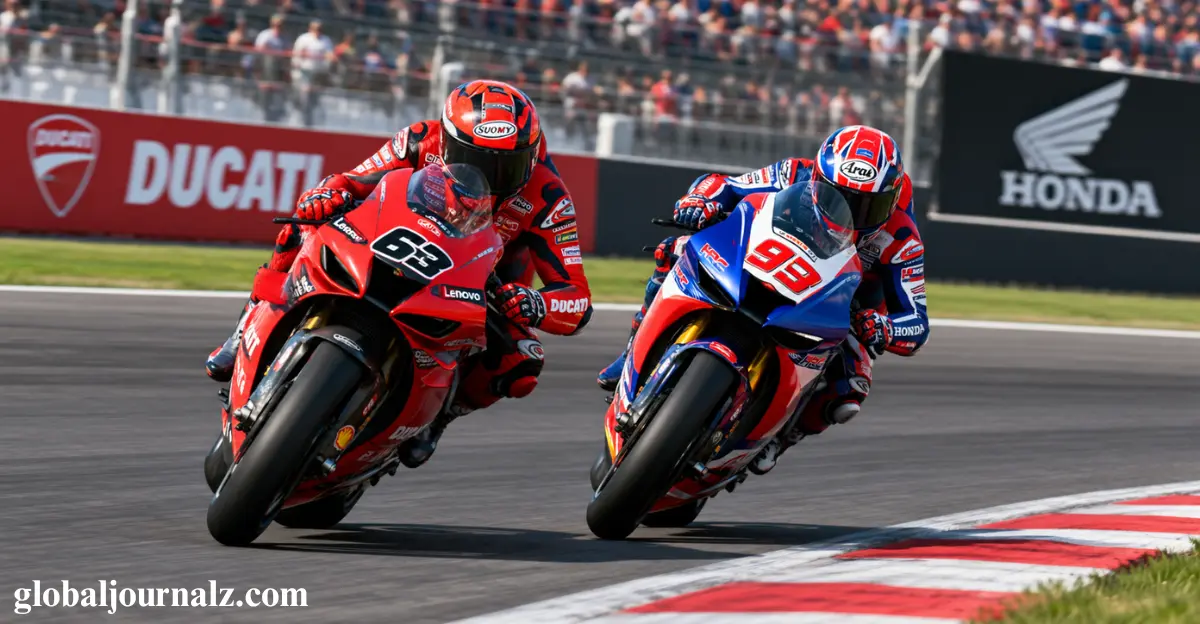
Ducati and Honda have shaped one of the most notable rivalries in superbike racing, with both manufacturers competing to prove the strength of their machines on the world stage. Their battles in the World Superbike Championship brought different engine designs, racing strategies, and motorcycle technologies into direct competition. Ducati became known for its V-twin superbikes while Honda relied on powerful four-cylinder machines to challenge its rival. Follow the key moments that made this rivalry an important part of superbike racing history.
Table of Contents
Increased Displacement
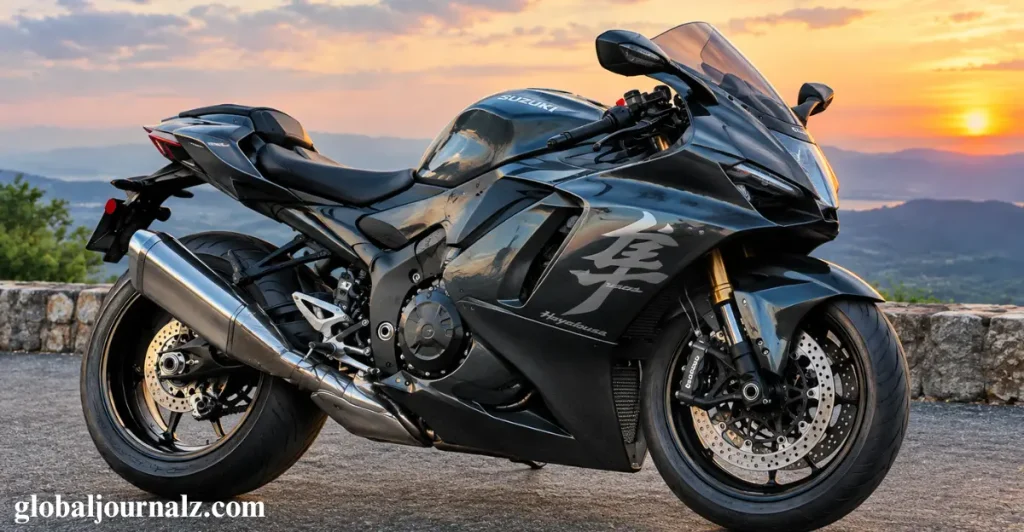
As Ducati increased displacement through the 926, 916, 955, and 996 engines, its experience exposed the limits of Honda’s RC30. Ducati refined its bore-stroke combinations, intake downdraft angle, and tumble speed to improve combustion and overall engine performance.
Meanwhile, Honda introduced the RC45 with a flatter combustion chamber, 72mm bore, and larger 28mm inlet valves. Early fuel injection system problems affected its progress, but improvements in 1997 helped John Kocinski win the World Superbike Championship with the RC45.
Later, Ducati faced increasing mechanical problems as its 851-based engine reached its limits, including cracking cylinder spigots and scuffed wristpins in the 916. These challenges highlighted the importance of engine development, combustion design, and mechanical reliability.
Enter the RC51
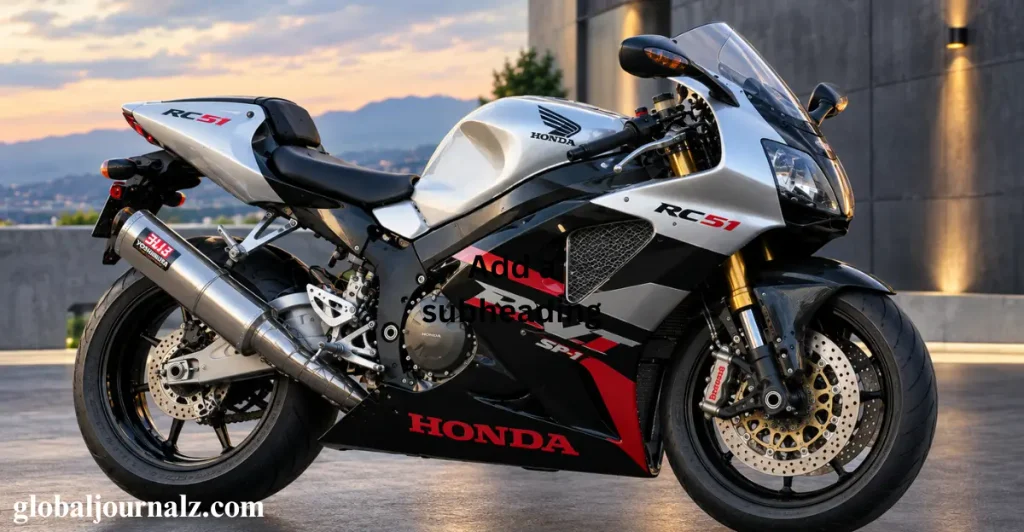
In 2000, Honda entered the World Superbike Championship with the RC51 and Colin Edwards. Ducati answered in 2001 with the Testastretta engine and Troy Bayliss, quickly reclaiming the title. Despite its flexible chassis, the Ducati maintained strong grip through corners and over uneven sections of track.
Honda had been studying chassis rigidity and discovered that a frame did not always perform better simply by becoming stiffer. Controlled flex could help the tires stay connected to the surface and improve cornering grip. This understanding influenced further development of the RC45 and later the RC51.
The focus eventually shifted toward adjusting lateral flex rather than removing it completely. Honda explored a setup using spacers and washers to give the steering head progressively more movement. This showed how chassis design had become just as important as engine power in the continuing Ducati-Honda rivalry.
Conclusion
The rivalry between Ducati and Honda played an important role in shaping modern superbike racing. Ducati continued developing its V-twin engines while Honda responded with the RC45 and later the RC51. Their competition pushed both manufacturers to improve engine performance, reliability, and chassis design. The battles also showed that racing success depends on more than raw horsepower, with combustion efficiency, tire grip, chassis flexibility, and rider control becoming important factors. Different engineering approaches gave each manufacturer a distinct path toward better performance. Their continued competition contributed to major advances in superbike technology and racing development. Ducati and Honda remain important names in the history and evolution of World Superbike competition.
1. Why did Ducati and Honda develop such a strong superbike rivalry?
Their competition brought different engine designs and racing technologies into direct competition. Both manufacturers continued improving performance, reliability, and chassis development throughout the rivalry.
2. How did Ducati benefit from increased engine displacement?
Larger engine displacement helped Ducati maintain stronger performance against Honda’s RC30. The development also improved combustion efficiency through changes to bore-stroke combinations and intake design.
3. What changes made the Honda RC45 more competitive?
Several engine updates gave the RC45 improved performance, including a flatter combustion chamber and larger inlet valves. Honda’s development work eventually helped John Kocinski secure the 1997 World Superbike Championship.
4. When did Honda introduce the RC51 to superbike racing?
Honda brought the RC51 into World Superbike competition in 2000 with Colin Edwards. Its 1000cc V-twin design provided a new approach to challenging Ducati’s established racing machines.
5. How could chassis flexibility improve cornering performance?
Controlled flexibility allowed the motorcycle to follow uneven track surfaces while maintaining better tire contact. This made chassis stiffness and lateral flex important parts of superbike development and racing performance.